


Греция 2026: Как работают системы EES и ETIAS
С наступлением 2026 года правила поездок в Европу изменились: Греция, как и другие страны Шенгена, в полном объеме внедряет цифровые протоколы EES, а ближе к концу года — и ETIAS.
Для туристов из стран с визовым режимом (включая Россию, Беларусь, Казахстан и Армению), планирующих отдых на солнечных берегах Пелопоннеса или на живописных курортах Крита, понимание новых цифровых протоколов так же важно, как и наличие самой визы. Греция, вместе со своими европейскими партнерами, перешла в новую эру управления границами, направленную на повышение безопасности и модернизацию процесса въезда. Для путешественников это означает меньше штампов в паспортах, больше цифровых проверок и разовую биометрическую регистрацию, которая упростит все последующие пересечения границы. И хотя системы могут показаться технически сложными, сам процесс по прибытии задуман как простой и понятный.
Система въезда/выезда (EES): Правила для граждан стран с визовым режимом
Система EES (Entry/Exit System) — это новая автоматизированная IT-система для регистрации и мониторинга граждан стран, не входящих в ЕС (Third-Country Nationals). Цифровая запись официально заменила ручные штампы в паспортах на всех внешних границах Шенгена.
На кого она распространяется? EES касается всех путешественников, не являющихся гражданами ЕС, Исландии, Лихтенштейна, Норвегии или Швейцарии. Независимо от того, нужна ли вам виза (например, гражданам РФ или Турции) или у вас безвизовый режим (США, Великобритания), вы будете зарегистрированы в системе при въезде.
Важное примечание о ВНЖ: Граждане стран, не входящих в ЕС, имеющие действующий вид на жительство (residence permit) в стране Шенгена, освобождены от регистрации в EES. Они продолжают путешествовать по Европе так же свободно, как граждане ЕС.
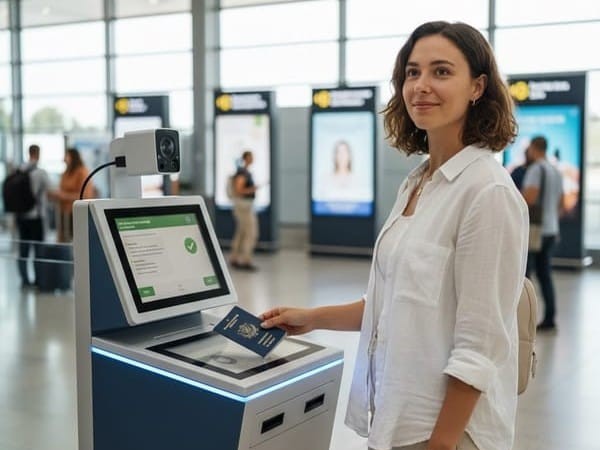
Чего ожидать на границе (аэропорты, порты, наземные границы):
При первом въезде в Грецию вы пройдете обязательную регистрацию:
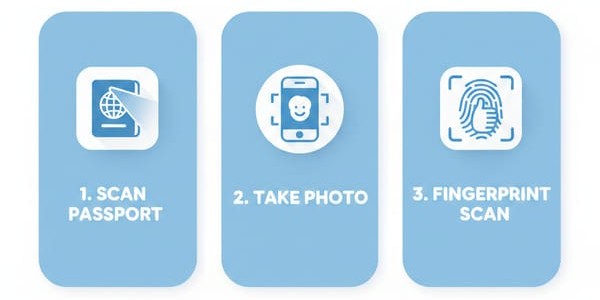
- Биометрия: Вам нужно будет сделать цифровое фото лица и отсканировать отпечатки четырех пальцев.
- Проверка документов: Хотя EES фокусируется на биометрии, пограничный кодекс по-прежнему требует подтверждения цели поездки. Данные о ваших бронях отелей и обратных билетах теперь могут фиксироваться в системе EES сотрудником пограничной службы для автоматической сверки при последующих выездах. Это делает невозможным использование «фиктивных» броней без риска блокировки будущих въездов.
- Наземные границы (на машине): Если вы въезжаете в Грецию на автомобиле, процесс идентичен. Пограничники используют планшеты или терминалы в будках контроля. Будьте готовы к тому, что водителю и пассажирам может потребоваться выйти из машины для фиксации данных.
- Первая регистрация: Будьте готовы к ожиданию — процедура биометрии длится дольше обычного штампа.
- Последующие поездки: Ваши данные хранятся 3 года. В следующий раз прохождение границы через киоски самообслуживания займет секунды.
- Важно: Для граждан России и других стран с визовым режимом система EES работает в связке с визовой информационной системой (VIS). Несмотря на то, что вы уже сдавали отпечатки пальцев при подаче документов на визу в консульстве, процедура биометрического контроля на границе остается обязательной для верификации личности.
ETIAS: Только для «безвизовых» туристов
В то время как EES — это процедура на самой границе, ETIAS — это предварительное разрешение на въезд. Оно требуется только тем, кому не нужна виза в Европу.
- Запуск: Становится обязательным в последнем квартале 2026 года.
- Кому нужно: Гражданам стран с безвизовым режимом (США, Великобритания, Канада и др.).
- Кто освобожден: Граждане ЕС, владельцы действующих шенгенских виз и обладатели ВНЖ.
- Стоимость: Около 20 евро на 3 года.
Подготовка к поездке в Грецию в 2026 году
Переход на цифровые границы сделает поездки по Европе безопаснее и прозрачнее, так как система в реальном времени проверяет соответствие заявленных документов фактическому пребыванию. Для беспрепятственного въезда мы настоятельно рекомендуем использовать биометрический паспорт.
Следите за новостями и готовьтесь наслаждаться красотой Европы в 2026 году с полным спокойствием: Греция ждет вас, а понимание работы EES и ETIAS — лучший способ гарантировать путешествие без лишних хлопот.