


Карнавалы в Греции: где искать сердце праздника Апокриес
Зима в Греции — это не только мягкое солнце и спокойные прогулки без толп туристов. Именно в это время в Греции проходят карнавалы, превращая города в яркие декорации. Пока древние руины замерли в тишине, греческие улицы внезапно оживают, взрываясь красками, звуками лир и шумными шествиями. Это Апокриес, или греческая Масленица, — три недели безудержного веселья перед Великим постом. Время, когда даже самые серьезные греки надевают маски, выходят на площади и напрочь забывают о делах.
Само название праздника означает «прощание с мясом». В отличие от стильной Венеции или жаркого Рио, греческий карнавал кажется очень домашним и искренним. Здесь нет границ между артистами и зрителями: если вы просто стоите на тротуаре, вас легко затянут в общий танец или с ног до головы обсыплют конфетти.

Когда ехать?
Даты праздника каждый год меняются вслед за церковным календарем. В 2026 году карнавальный марафон развернется в феврале, и вот три дня, которые стоит обвести в календаре красным:
-
12 февраля 2026 — Цикнопемпти (Мясной четверг). День, когда над всей Грецией стоит умопомрачительный запах гриля: по традиции все жарят мясо.
-
21–22 февраля 2026 — Кульминация праздника. Те самые выходные с главными парадами и ночными вечеринками.
-
23 февраля 2026 — Чистый понедельник. Время запускать в небо бумажных змеев, делать пикники на природе и пробовать вкусные постные блюда.
Ниже мы вкратце рассмотрим самые интересные локации для празднования, чтобы вы могли выбрать ту, что вам больше по душе.
Патры: эпицентр безумия
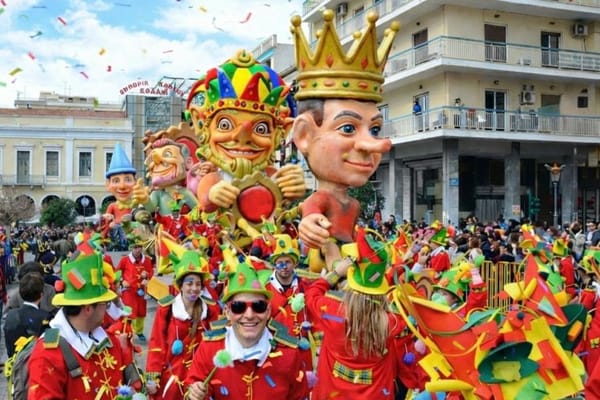
Если вам хочется драйва и настоящего масштаба, отправляйтесь в Патры на Пелопоннесе. Традиция карнавала здесь зародилась еще в XIX веке, и сегодня в парадах участвуют десятки тысяч людей. Это идеальное место для компаний друзей и молодых путешественников — просто будьте готовы к толпам, шуму и абсолютному безумию в центре города.
Здесь всё впечатляет размахом: огромные сатирические платформы, субботнее ночное шествие, когда город превращается в один сплошной танцпол под открытым небом, и эффектное сожжение Короля Карнавала в порту. Одна из самых любимых местных традиций — «соколатополемос» (шоколадная битва). Команды на праздничных фургонах колесят по улицам, осыпая толпу тысячами шоколадных конфет. Это сладкий и хаотичный азарт, в котором каждый пытается урвать свой трофей.
Но магия Патр — это не только главный парад, но и закрытые вечеринки, и месяцы подготовки. Местные мастерские работают круглосуточно на протяжении многих месяцев, вручную создавая гигантские фигуры из папье-маше, которые иронично высмеивают всё: от мировой политики до будничных проблем. А когда садится солнце, весь район порта превращается в море музыки и танцев, которые не стихают до самого рассвета Чистого понедельника.
Ретимно: Венецианская сказка на Крите
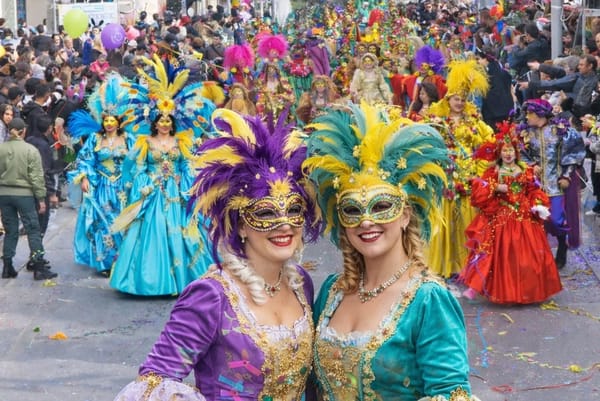
Карнавал в Ретимно на острове Крит выделяется своими уникальными традициями, такими как «кантадес», когда группы горожан исполняют романтические серенады в узких улочках Старого города. Особенный азарт празднику придает охота за сокровищами, в которой соревнуются команды детей и взрослых, превращая весь город в огромную игровую площадку.
Главное событие — грандиозный парад сатирических платформ, называемых «армас». Эти передвижные декорации создаются местными общинами вручную в течение многих месяцев и часто высмеивают актуальные политические и социальные темы.
Кульминацией празднества становится зрелищное сожжение Короля Карнавала, символизирующее окончание веселья и начало Великого поста. Сразу после этого Ретимно превращается в масштабную вечеринку под открытым небом с живой музыкой и танцами до самого утра.
Аутентичность и традиции: Науса, Ксанти и Афины
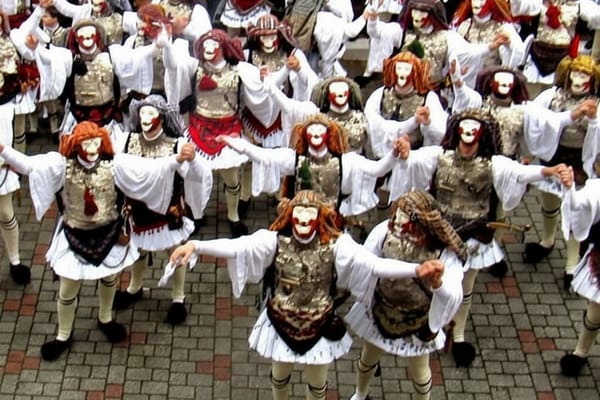
Те, кто ищет «настоящую» Грецию, могут посетить город Науса на севере страны. Местный карнавал — это живая история. Главные герои здесь — «Геничары и Булы» (Genitsari and Boules), мужчины в традиционных костюмах и восковых масках. Это мощное и даже в чем-то мистическое зрелище.
Карнавал в Ксанти, в свою очередь, славится своим гостеприимством и легким балканским колоритом. Он считается одним из самых бюджетных вариантов, но его грандиозный парад ничуть не уступает лидерам по яркости красок.
Если вы решите остаться в Афинах, загляните в район Плака. Прямо у подножия Акрополя проходят очаровательные шествия, при этом местные бары и кафе превращаются в шумные танцполы. В эти дни весь район пронизан духом праздника: музыка доносится из каждой двери, а нарядные толпы заполняют старинные улочки. Наконец, в Чистый понедельник небо над холмом Филопаппу расцветает сотнями разноцветных воздушных змеев.
Несколько советов путешественникам
-
Жилье: Подумайте о бронировании сильно заранее. Если любите тишину, ищите отели подальше от главных площадей, иначе музыка будет греметь под вашими окнами до самого утра.
-
Одежда: Закиньте в чемодан удобную обувь и теплую куртку — греческие вечера в феврале бывают прохладными.
-
Костюм: Обязательно купите хотя бы маску или яркий парик. К счастью, карнавальные наряды сейчас продаются повсюду — от огромных супермаркетов до крошечных лавок на углу.
Во время карнавалов в Греции быть «просто туристом» не получится: вам точно захочется стать частью этого веселья!